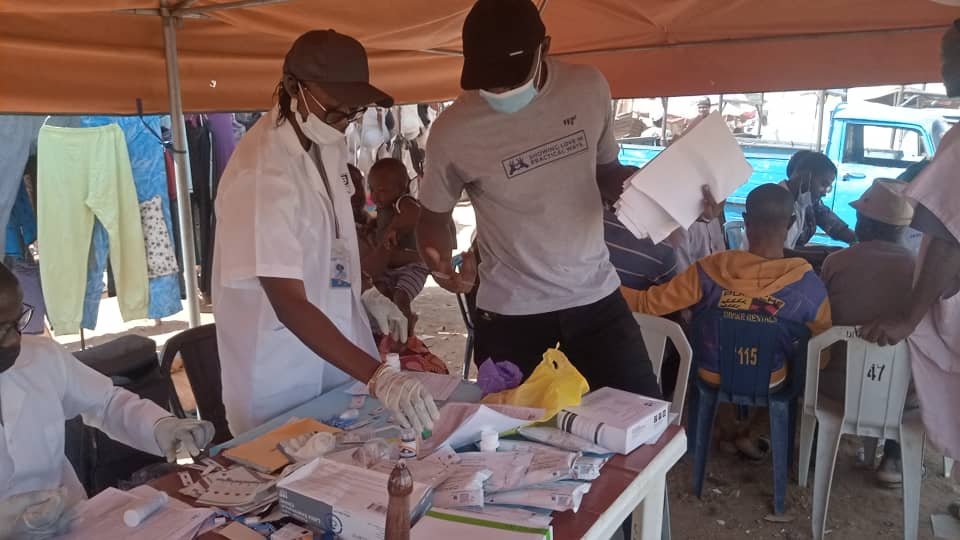
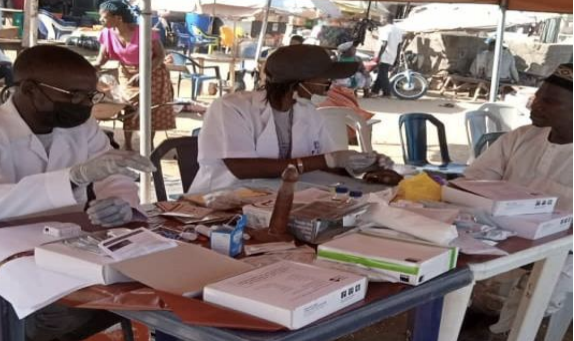
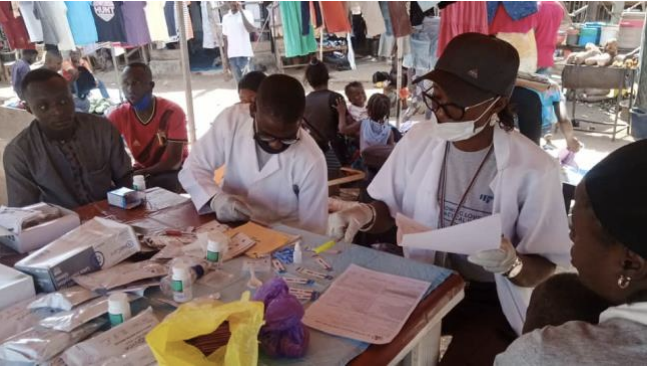
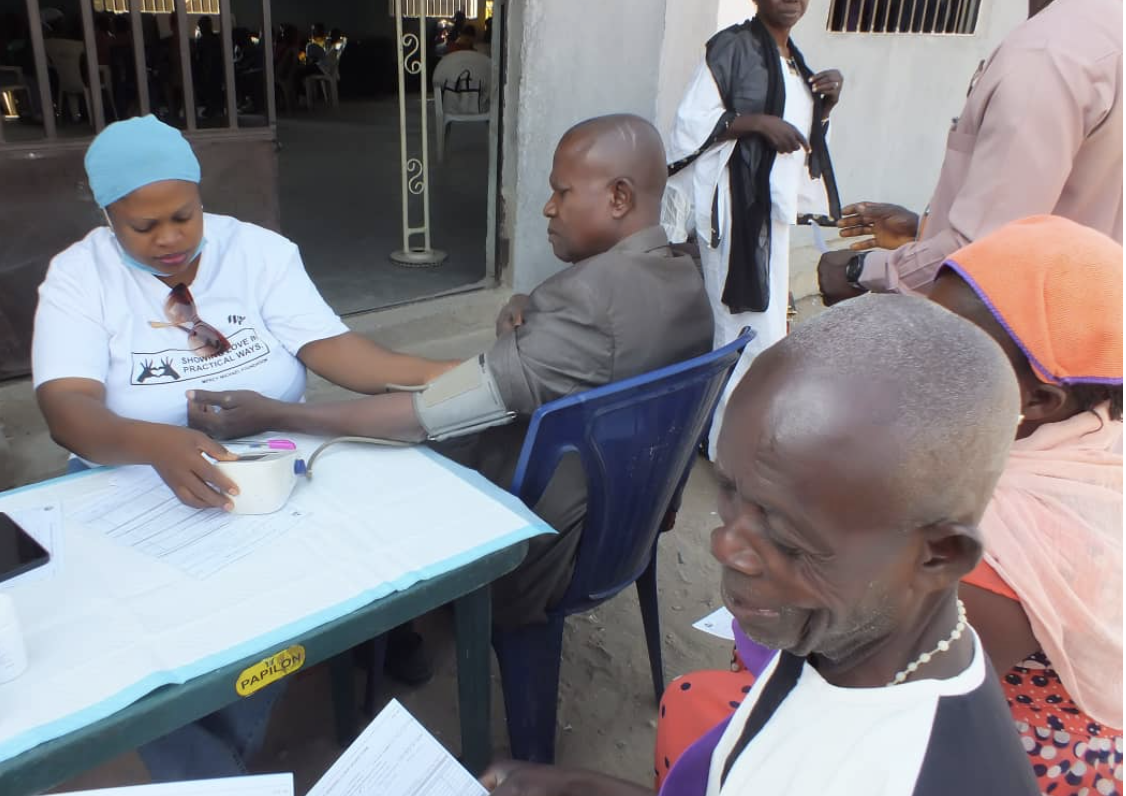
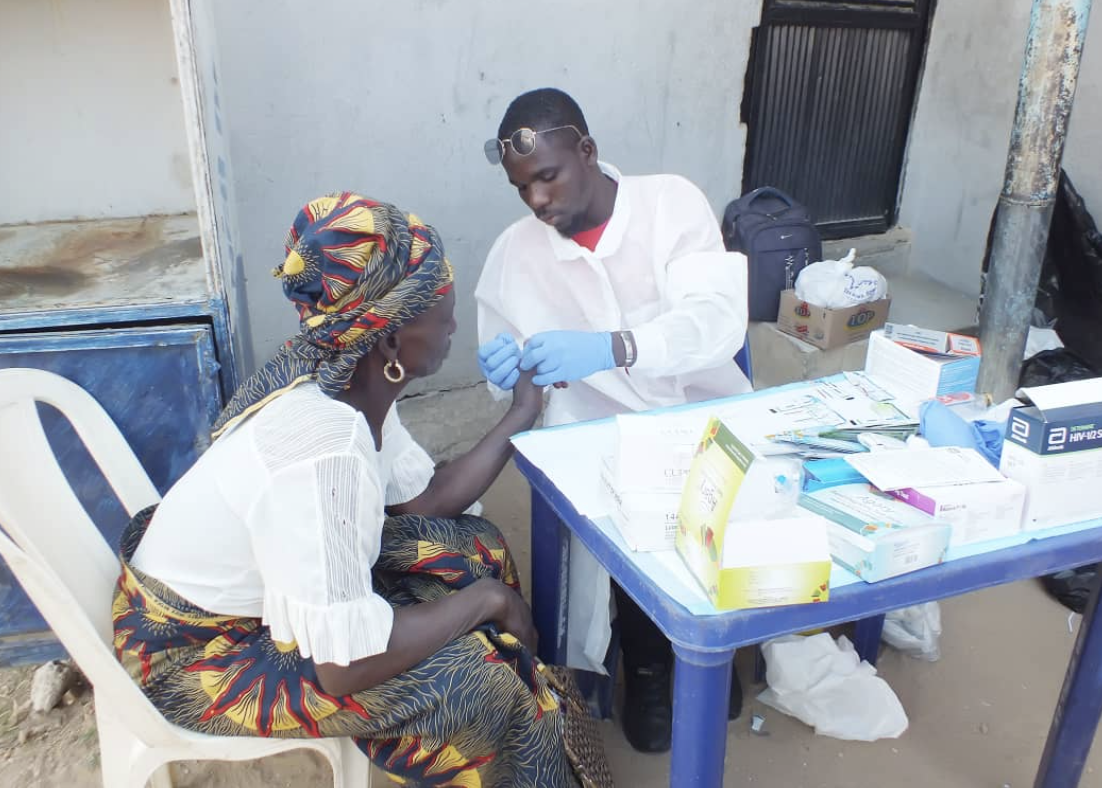
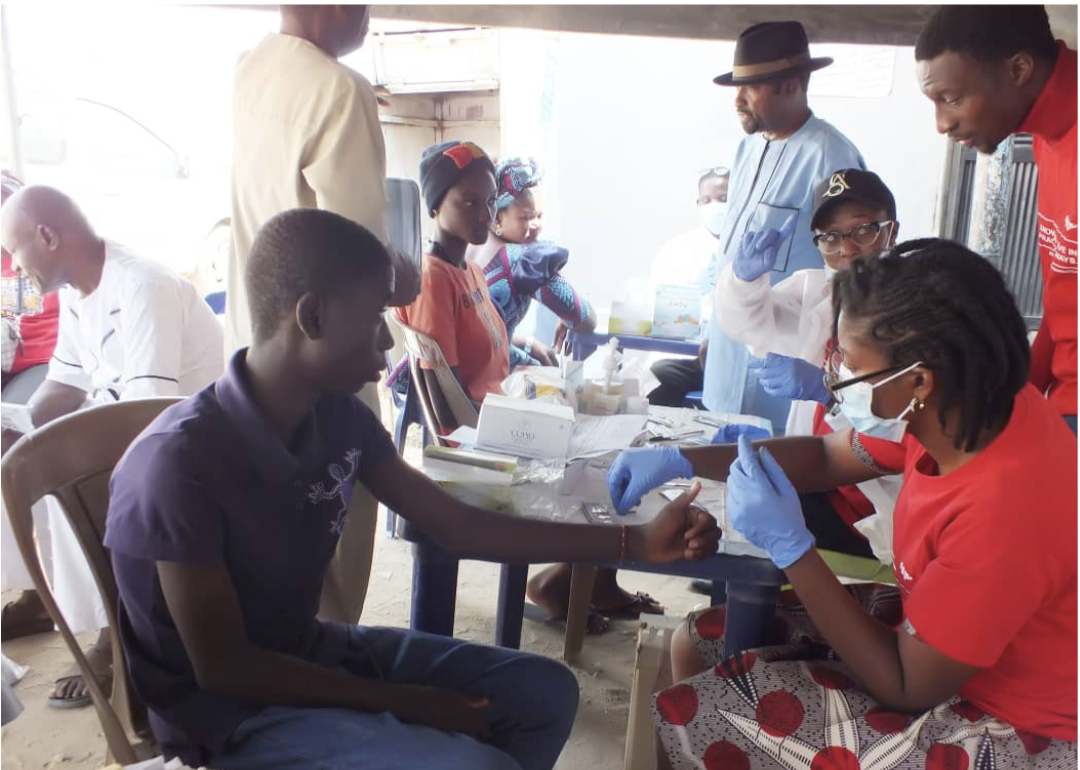
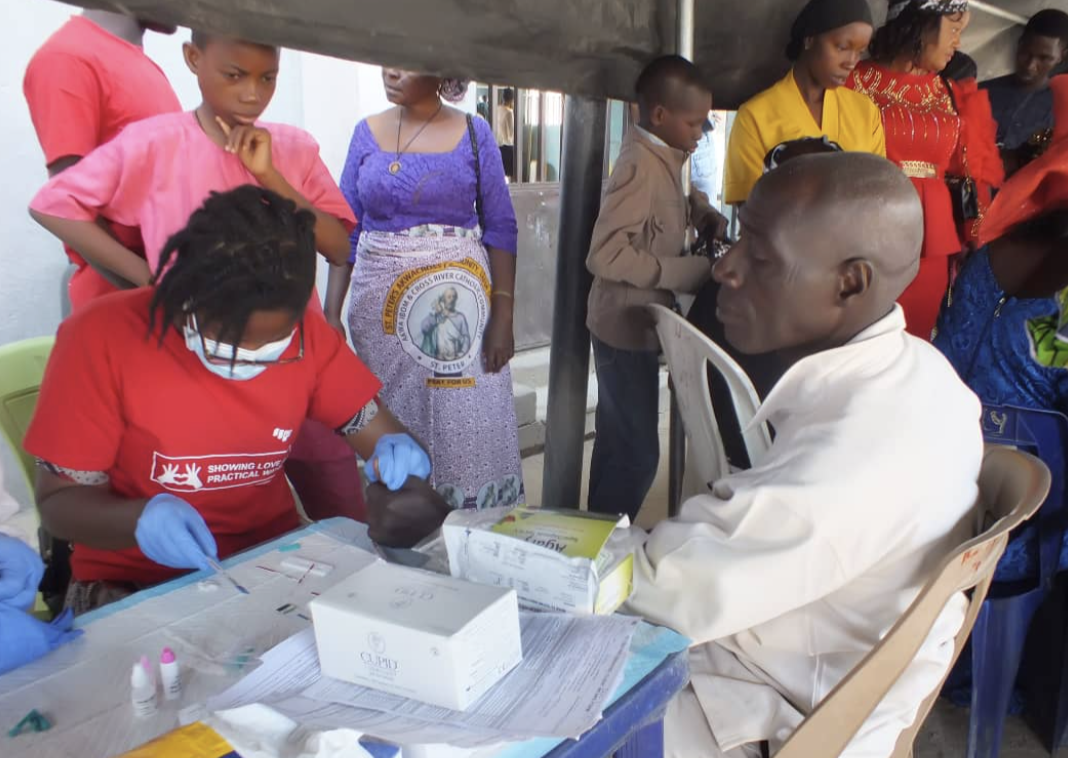
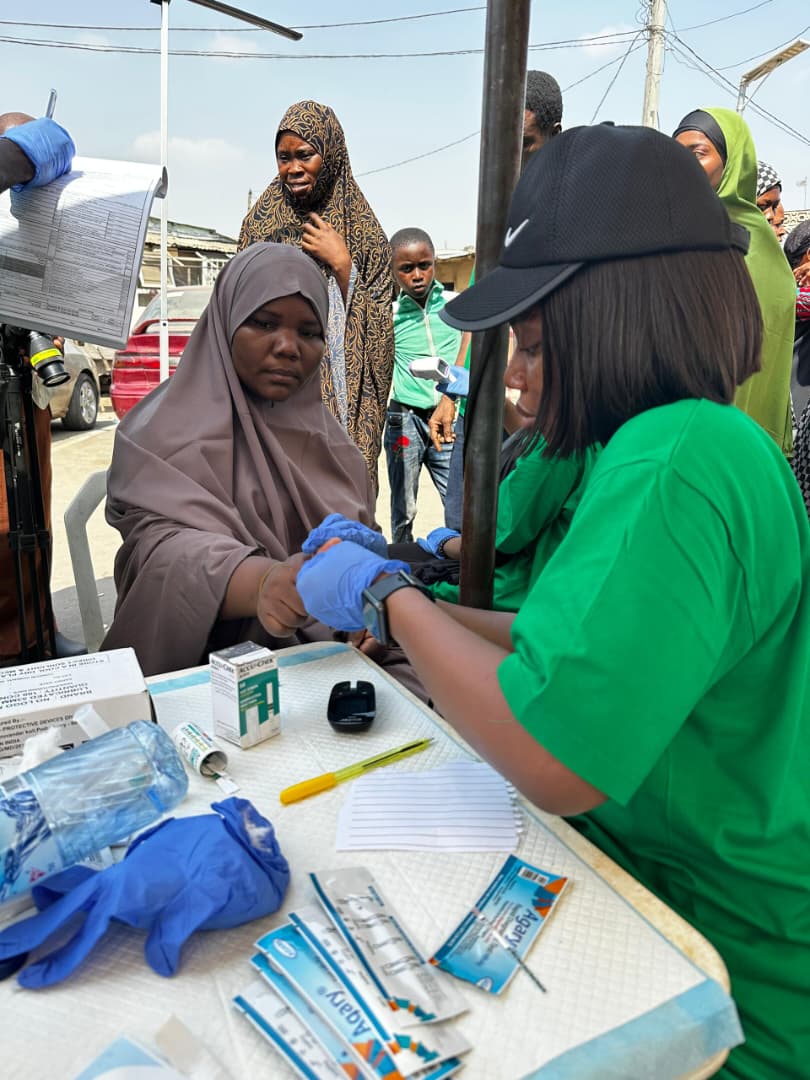
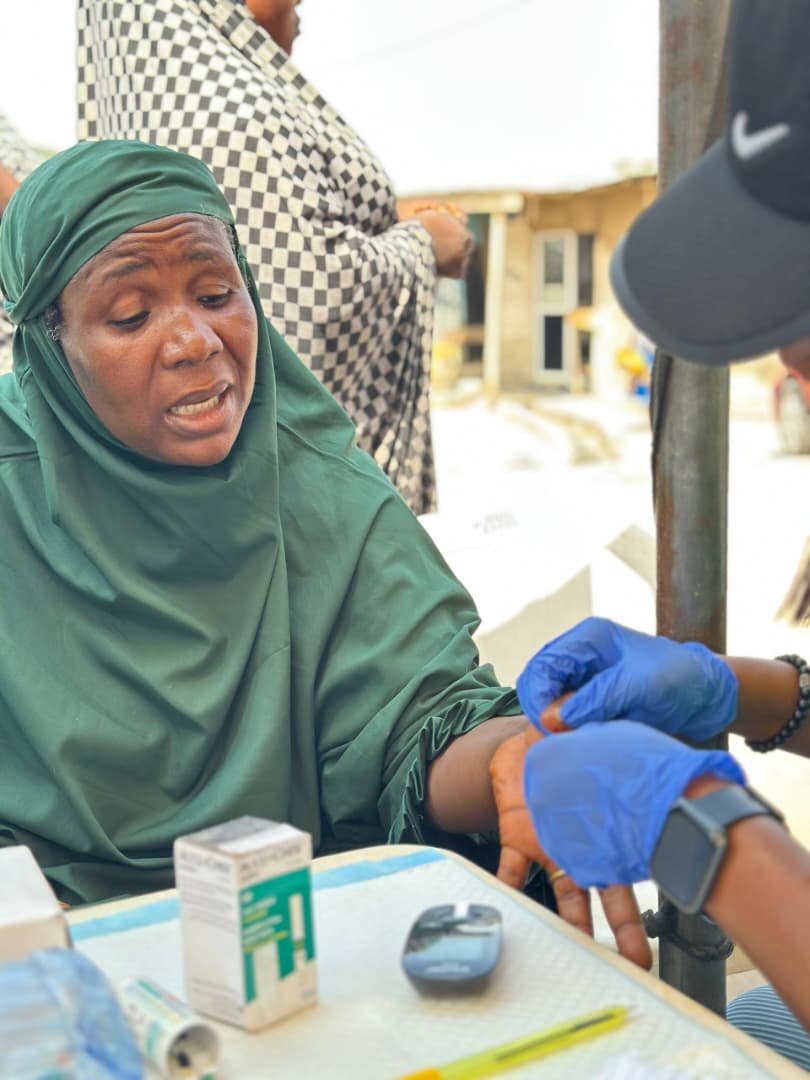
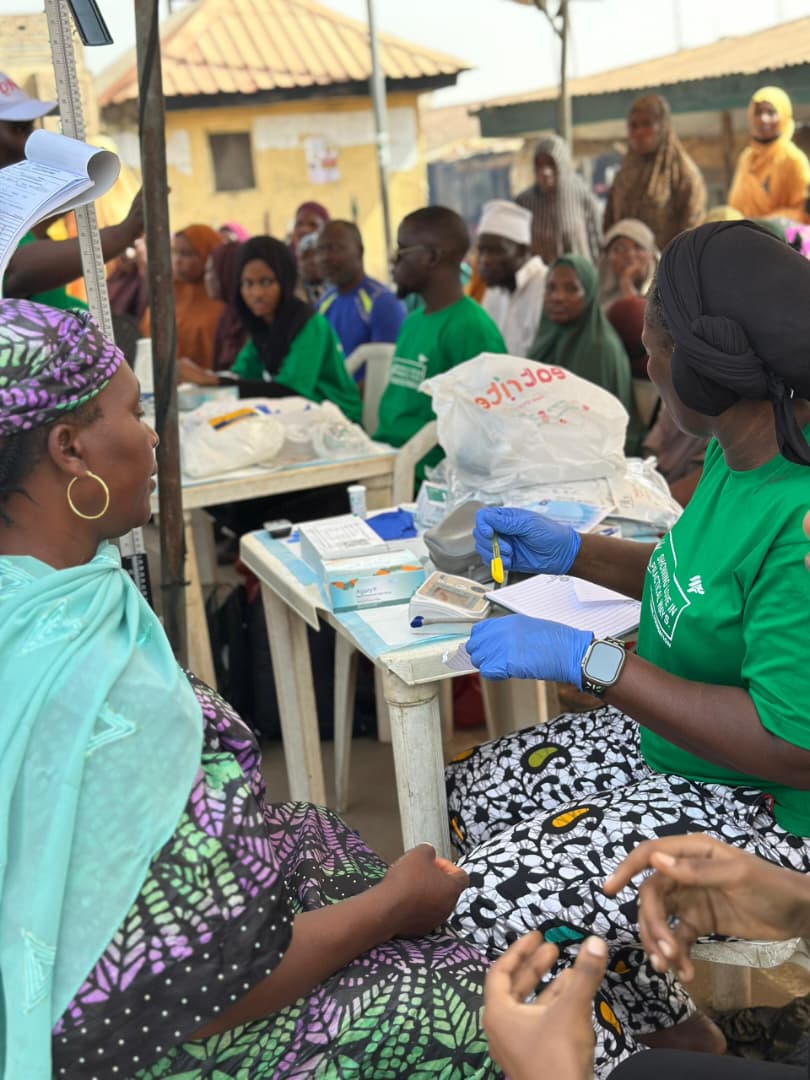
At The M. Kukoyi Foundation, we believe that access to basic healthcare should not depend on location or financial status. Through our community health outreach initiatives and strategic partnerships, we provide health education, screenings, and preventive care services to underserved communities.
Working alongside partner organizations, healthcare professionals, and volunteers, we organize outreach programs focused on improving awareness and encouraging early detection of common health conditions.
These initiatives are designed to bring healthcare closer to communities while promoting healthier lifestyles and informed decision-making.
Through collaboration and community-centered care, we continue to expand our impact and support individuals and families with the knowledge and resources they need to live healthier lives.
Through extensive research and collaboration with local communities, we take meaningful, data-driven approaches. By continuously collecting, analyzing, and applying real-time data, we are able to identify high-impact interventions, allocate resources effectively, and tailor our strategies to the specific needs of different populations. This evidence-based methodology ensures that our programs remain adaptive, targeted, and outcome-focused.
641
20
100%
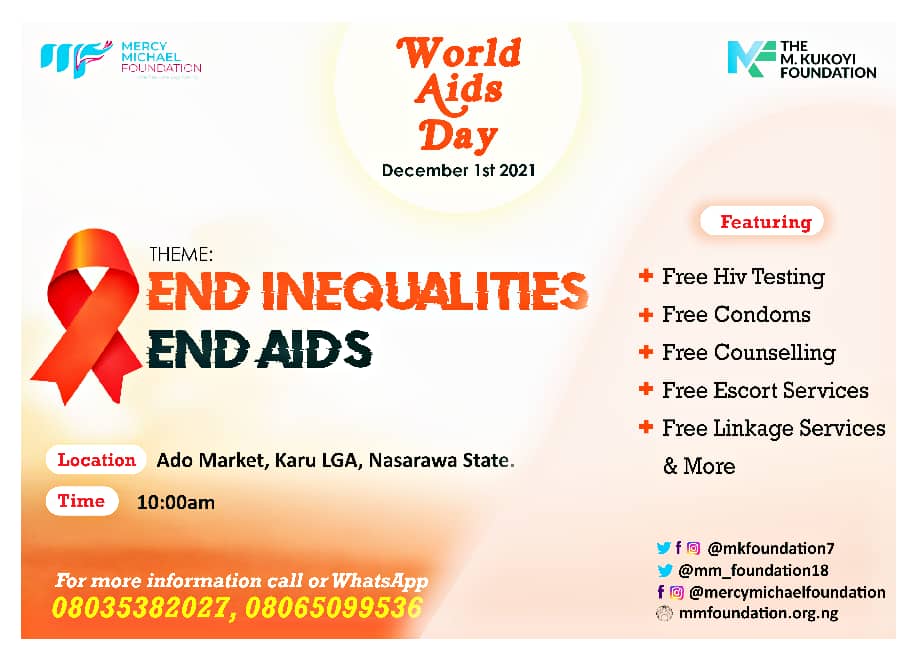
Ado Market, Karu LGA, Nasarawa State
People tested
Tested
New Diagnoses
Enrollment into care
of Positive Individuals


Nyaya Chief Palace, Federal Capital Territory
People tested
Tested
New Diagnoses
Enrollment into care
of Positive Individuals


Madaki Palace, Karu LGA, Nasarawa State
People tested
Tested
New Diagnoses
Enrollment into care
of Positive Individuals


Area One Junction, Masaka
People tested
Tested
New Diagnoses
Enrollment into care
of Positive Individuals


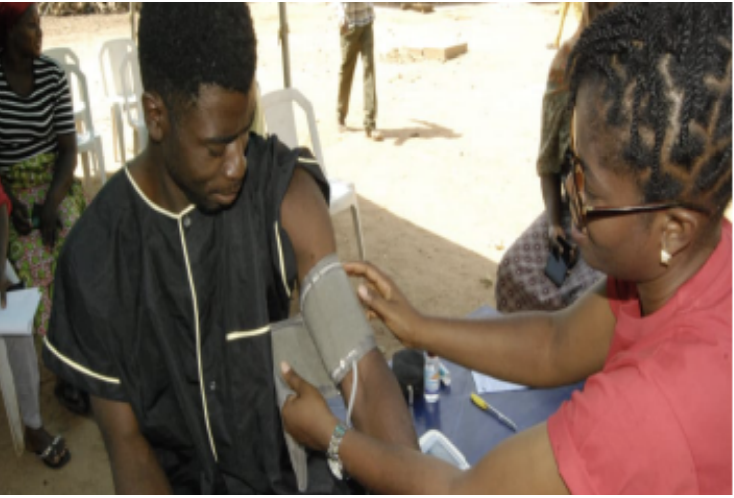
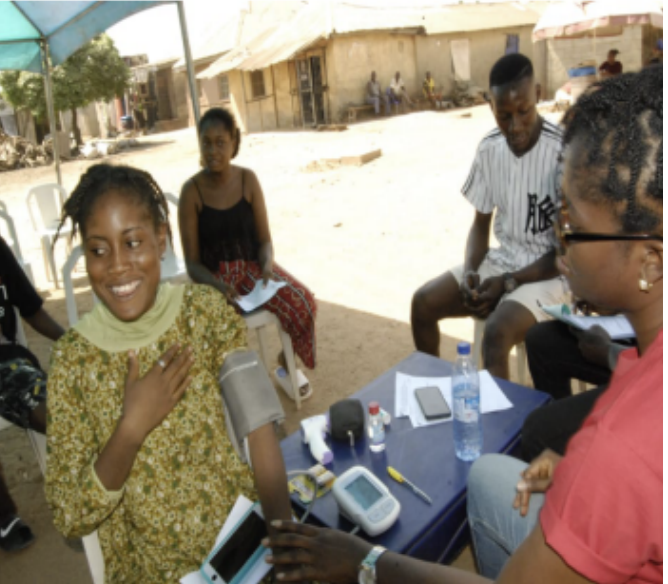
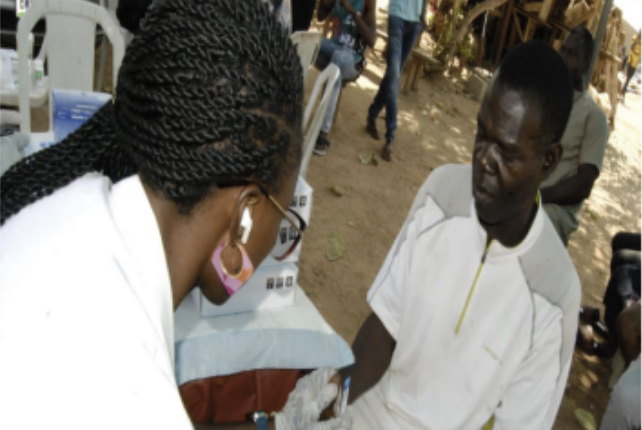
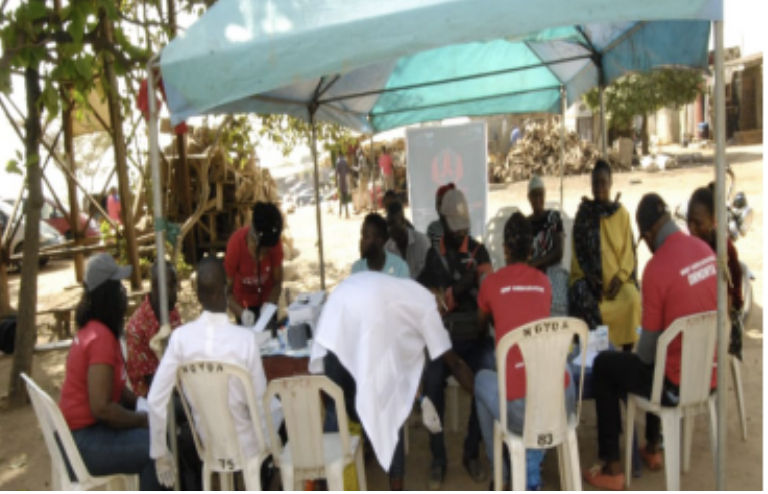
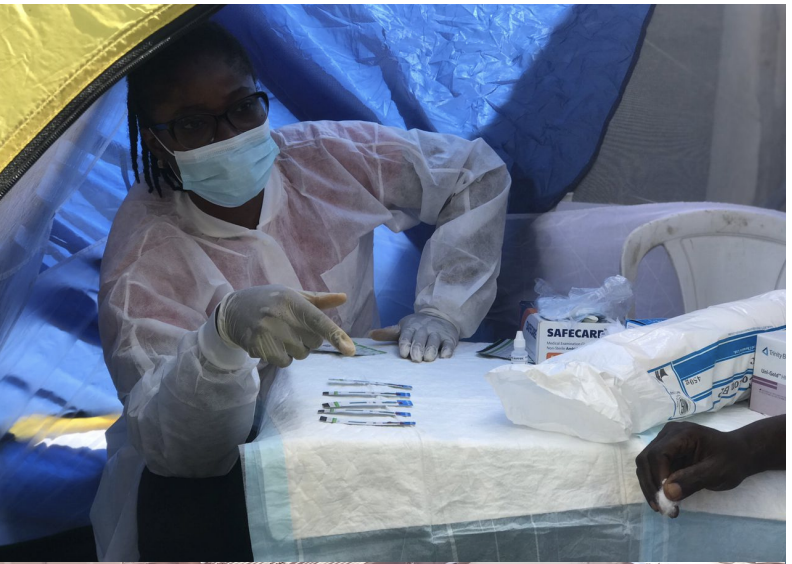
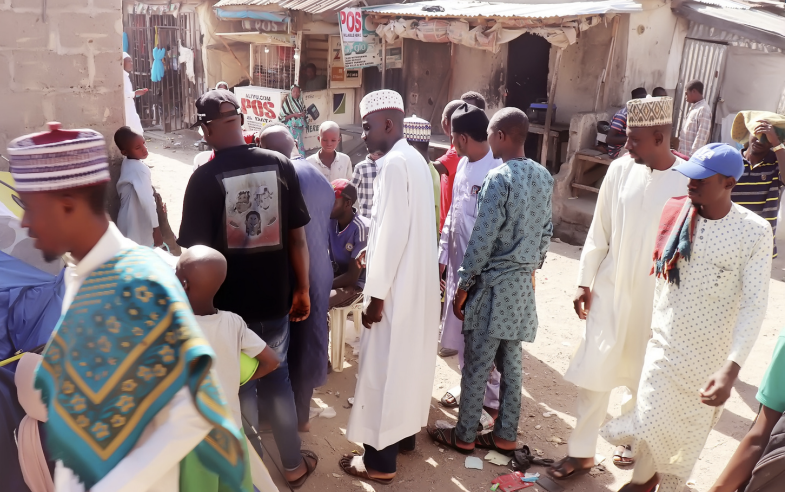
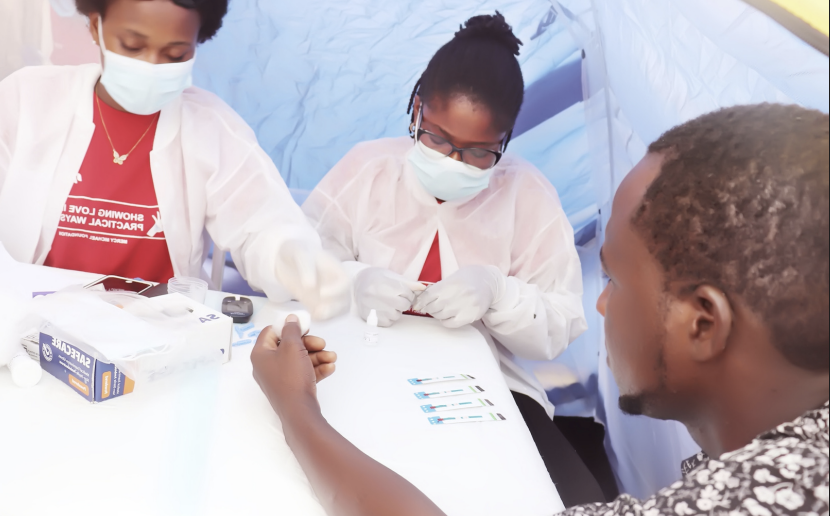
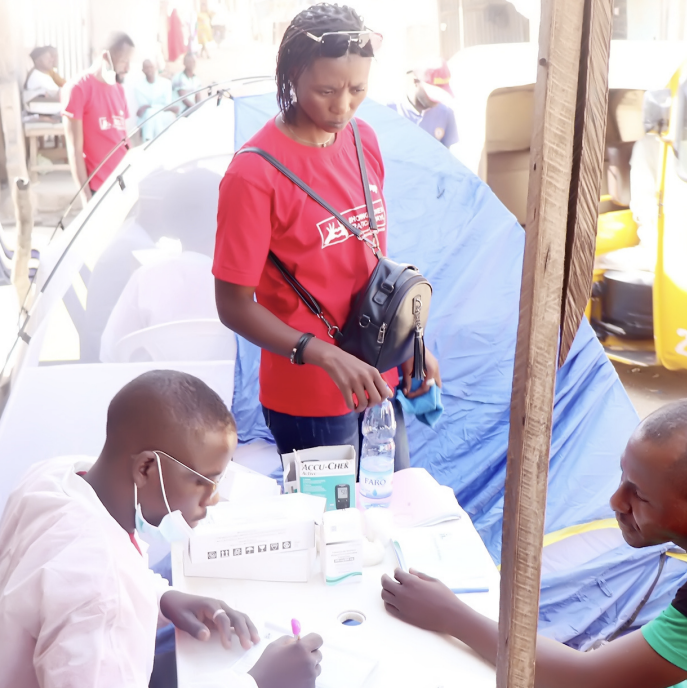
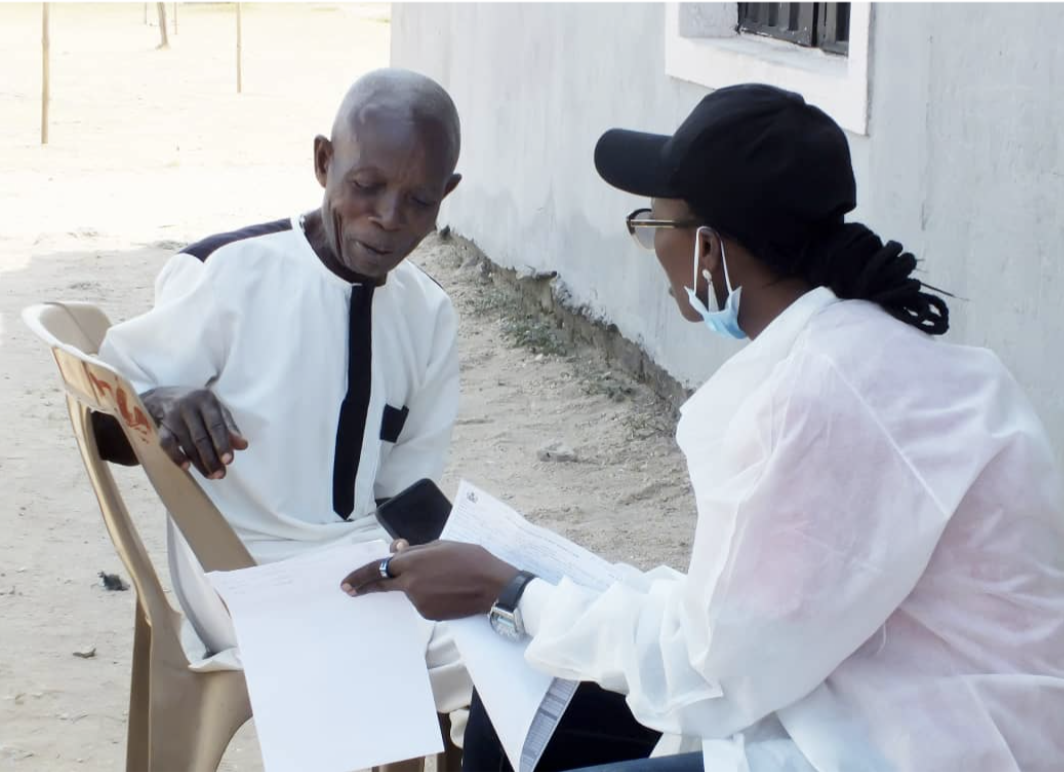
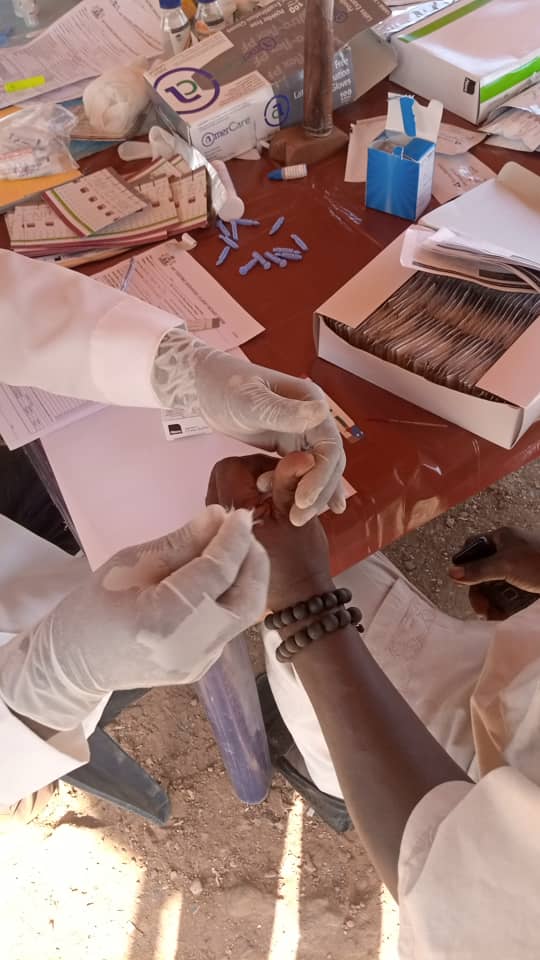
About 15% of people with HIV still do not know they are infected with the virus. As of 2021, five million, or 13% of people living with HIV/AIDS are in Western and Central Africa. This burden of HIV/AIDS diagnosis is disproportionately carried by people with little to no access to healthcare and education resources that can provide early and consistent treatment, and also improve health outcomes. MKF has had the opportunity to bridge this gap by bringing awareness to such communities about HIV/AIDS diagnosis, prevention and treatment.. By partnering with The Mercy Michael Foundation, a grassroot organization in Nigeria, we have been able to offer free HIV/AIDS testing, free contraceptives, counseling, and linkage to care. Out of the 166 people that were tested, five people were positive ( 4 new, 1 previously known), yielding a positivity rate of 3%. Four of them were successfully linked to care. Through our efforts, we are continuing the fight to help end health inequities caused by HIV/AIDS, as well as promoting safer habits to aid in prevention.


Also completed in December, serving 150 community
members with:
Referral and linkage to care
This project strengthened our joint commitment to
prevention, early detection, and community health literacy.


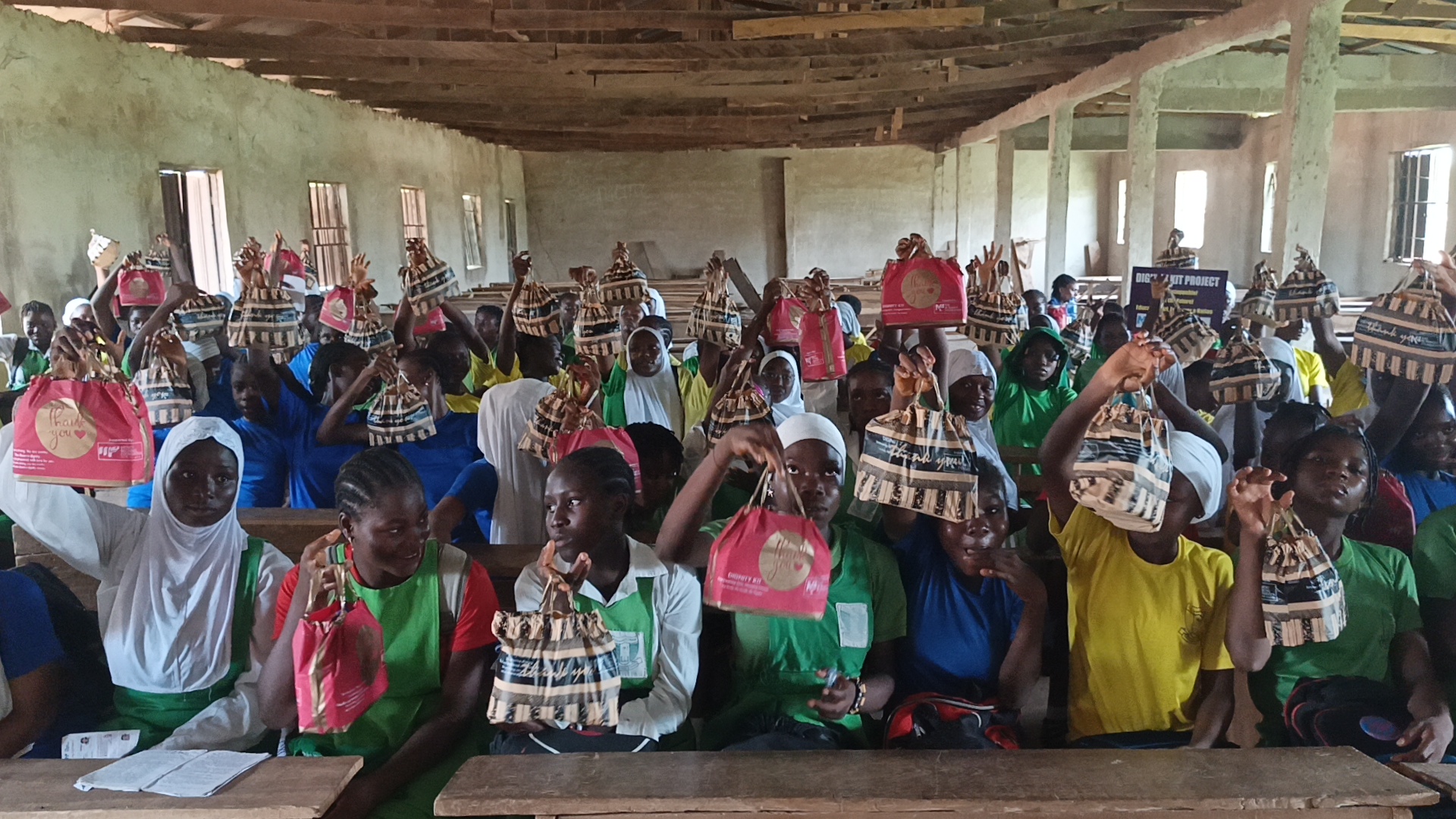
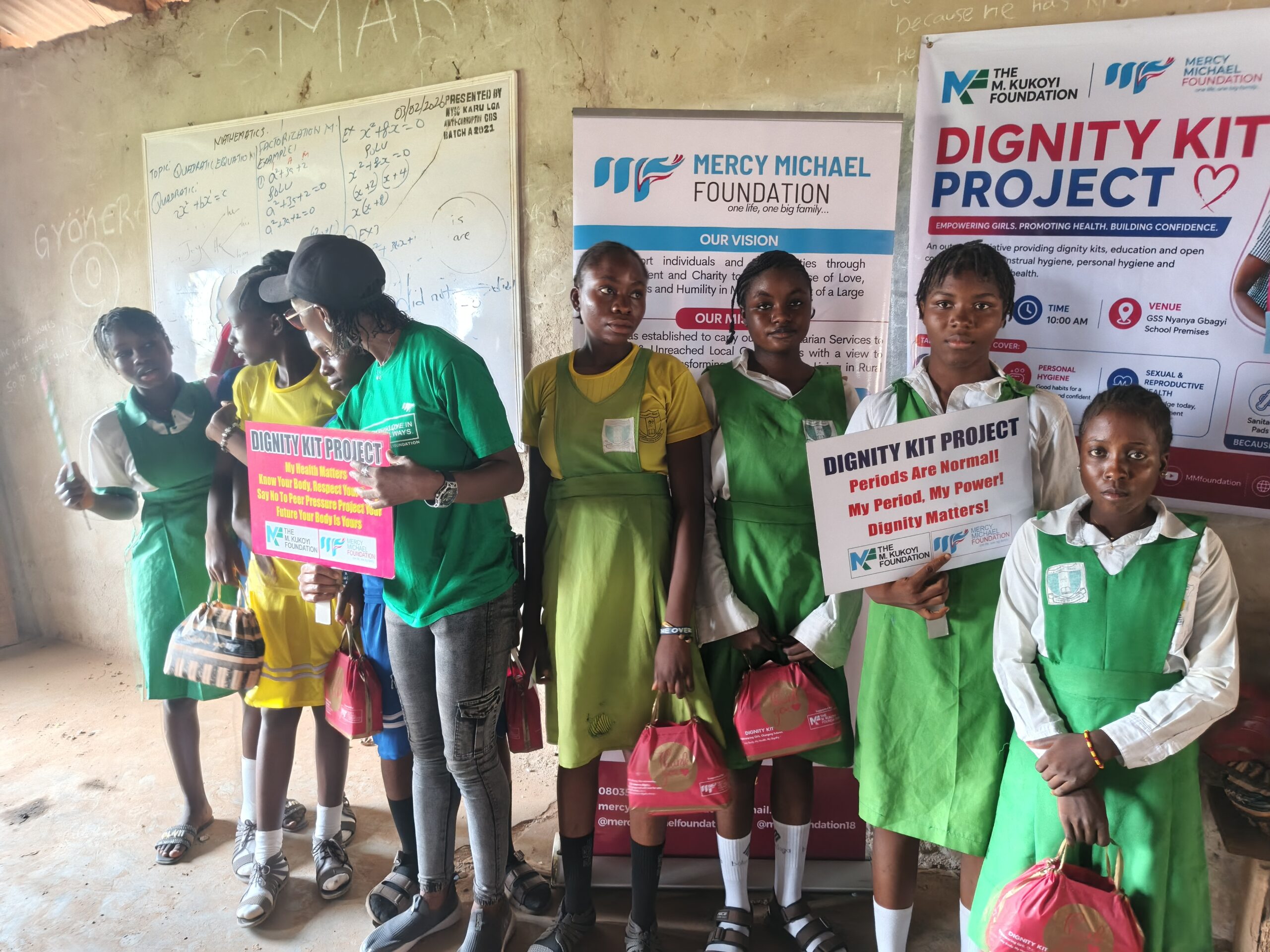
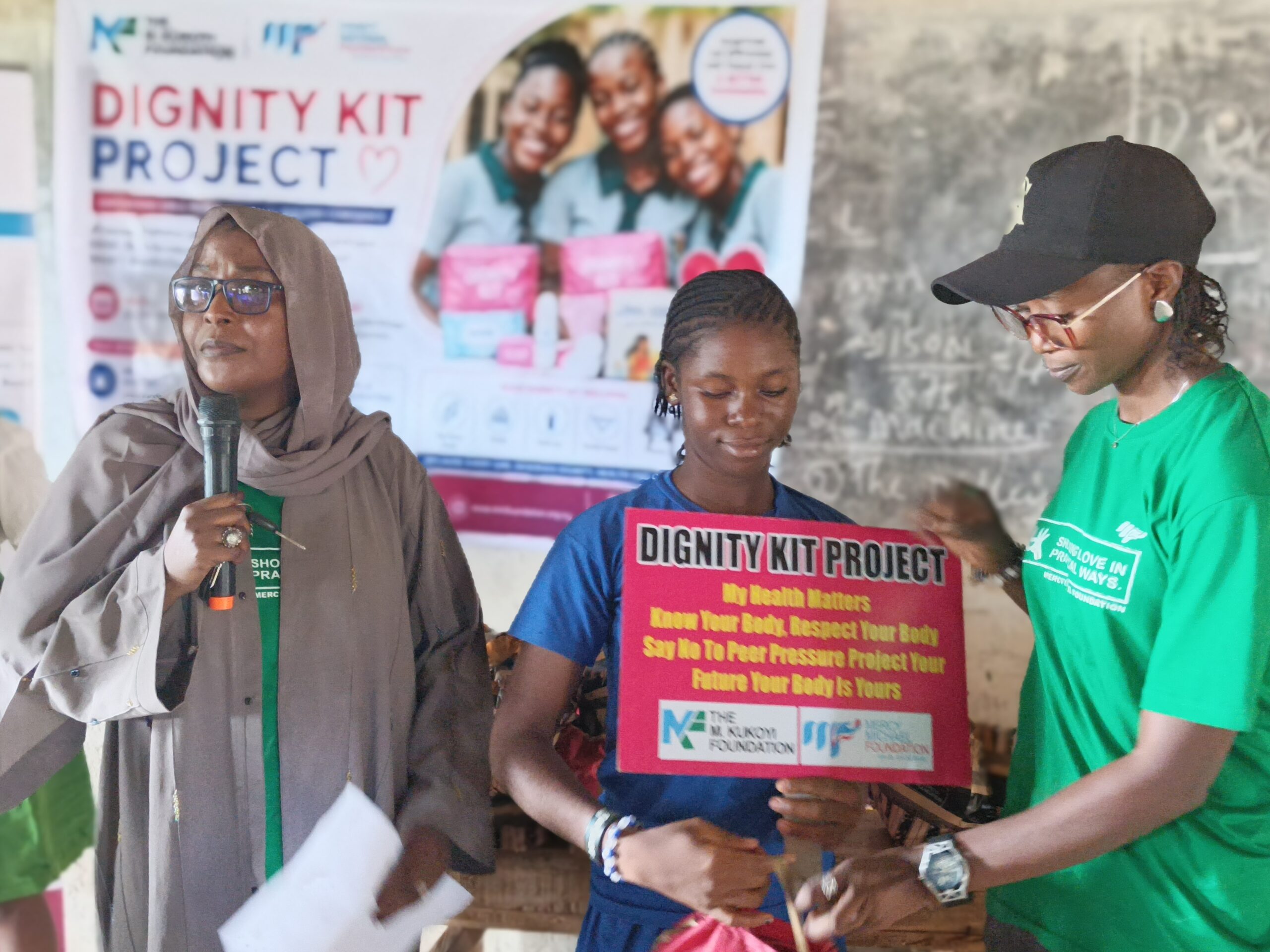
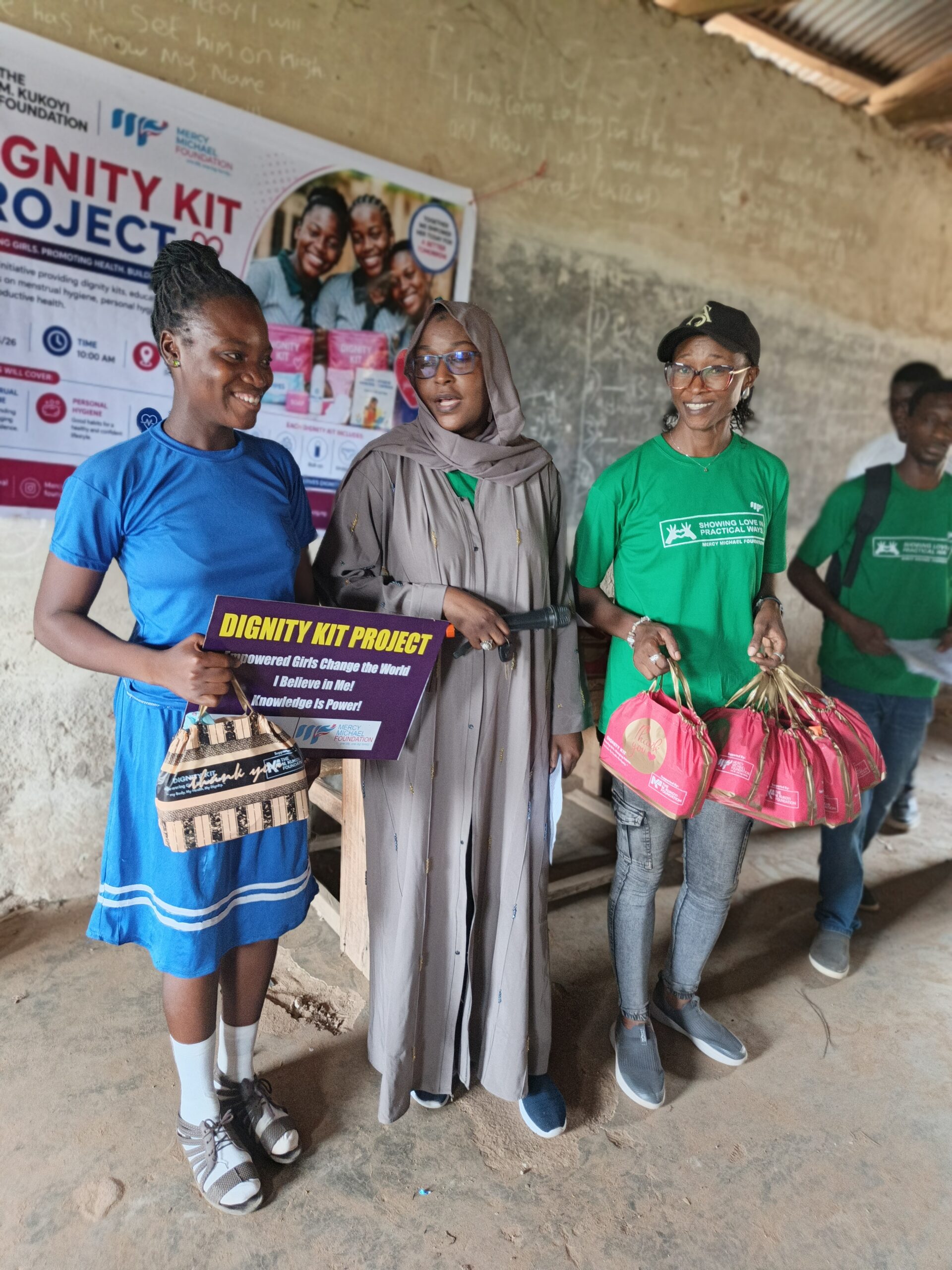
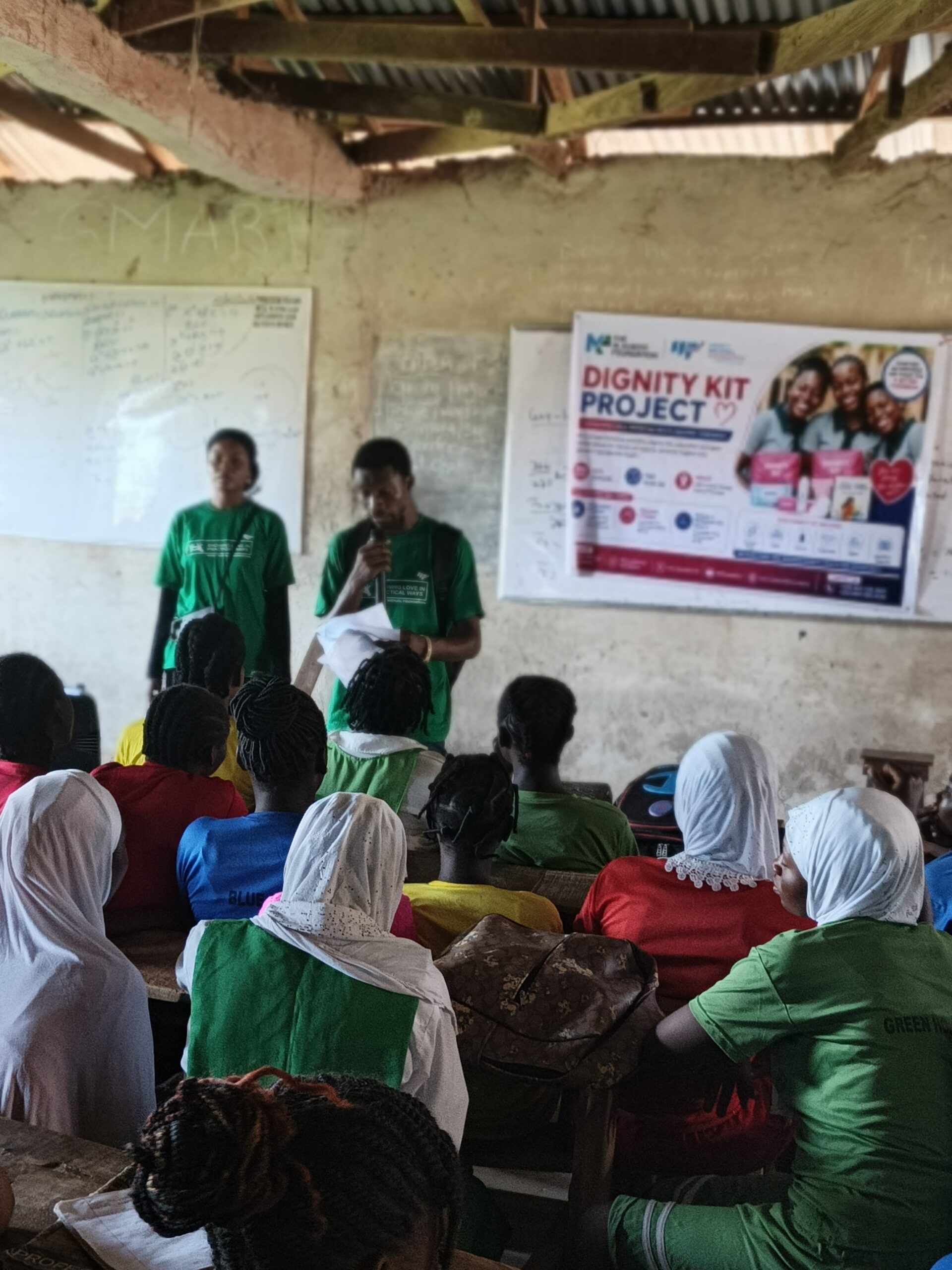
This is a menstrual health program focused on supporting adolescent girls in underserved communities with access to essential menstrual hygiene resources and education.
Across many communities, girls continue to face challenges managing their menstrual health due to limited access to sanitary products, inadequate hygiene resources, and lack of proper education. These barriers often affect school attendance, confidence, and overall well-being.
Through this initiative, we aim to ensure that girls are equipped not only with menstrual hygiene supplies, but also with the knowledge and support needed to manage their health with dignity and confidence.
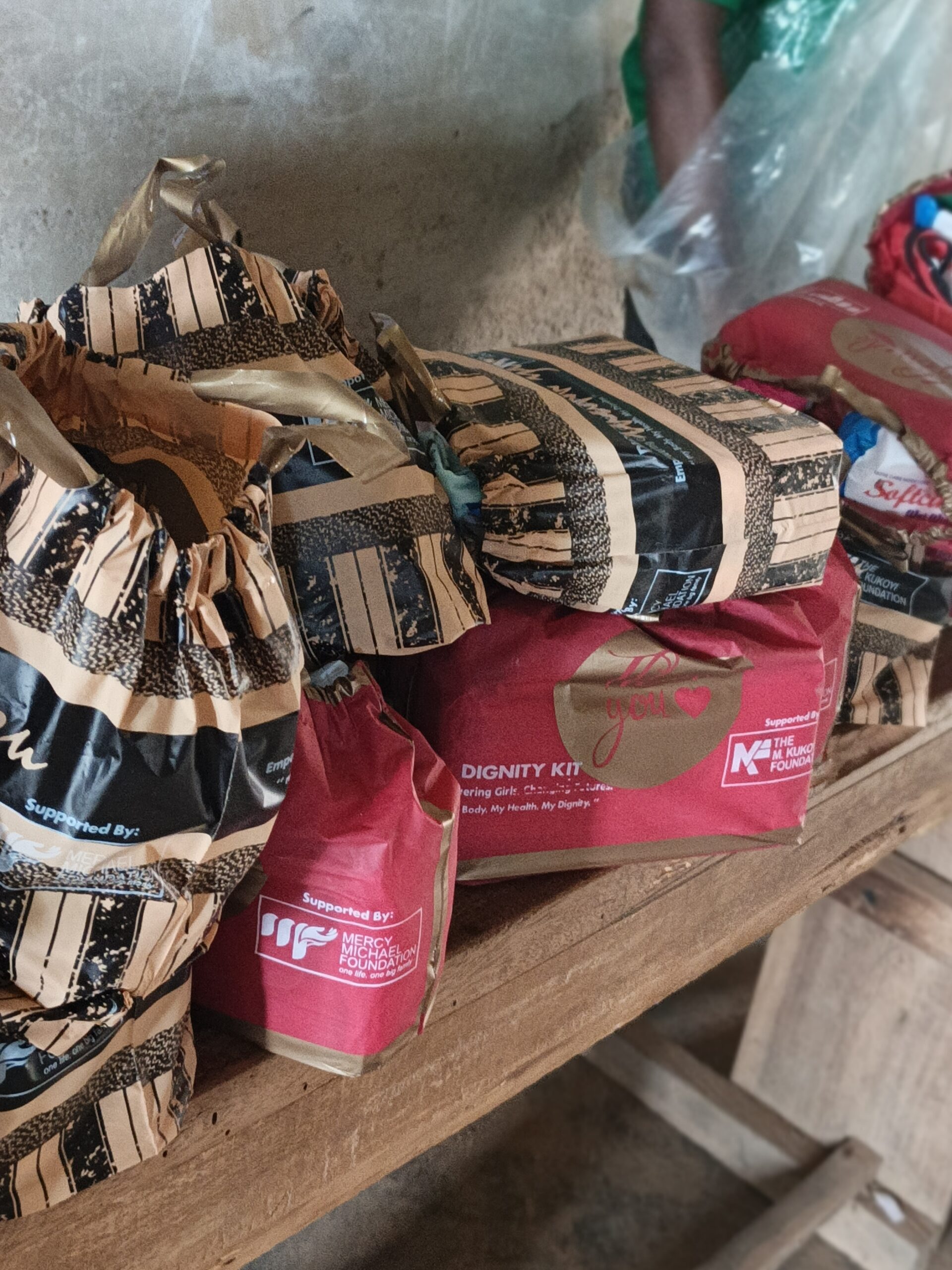
Each beneficiary receives a Menstrual Dignity Kit containing essential hygiene and self-care items, including sanitary pads, underwear, soap, hygiene wipes, deodorant, and educational materials focused on menstrual and reproductive health.
Beyond product distribution, the program also includes:
By creating safe spaces for learning and providing practical support, the initiative seeks to improve school participation, promote healthy hygiene practices, and empower girls to navigate adolescence with dignity.
Through strategic partnerships and community engagement, we hope to expand access to menstrual health resources and create lasting impact for young girls across underserved communities.